
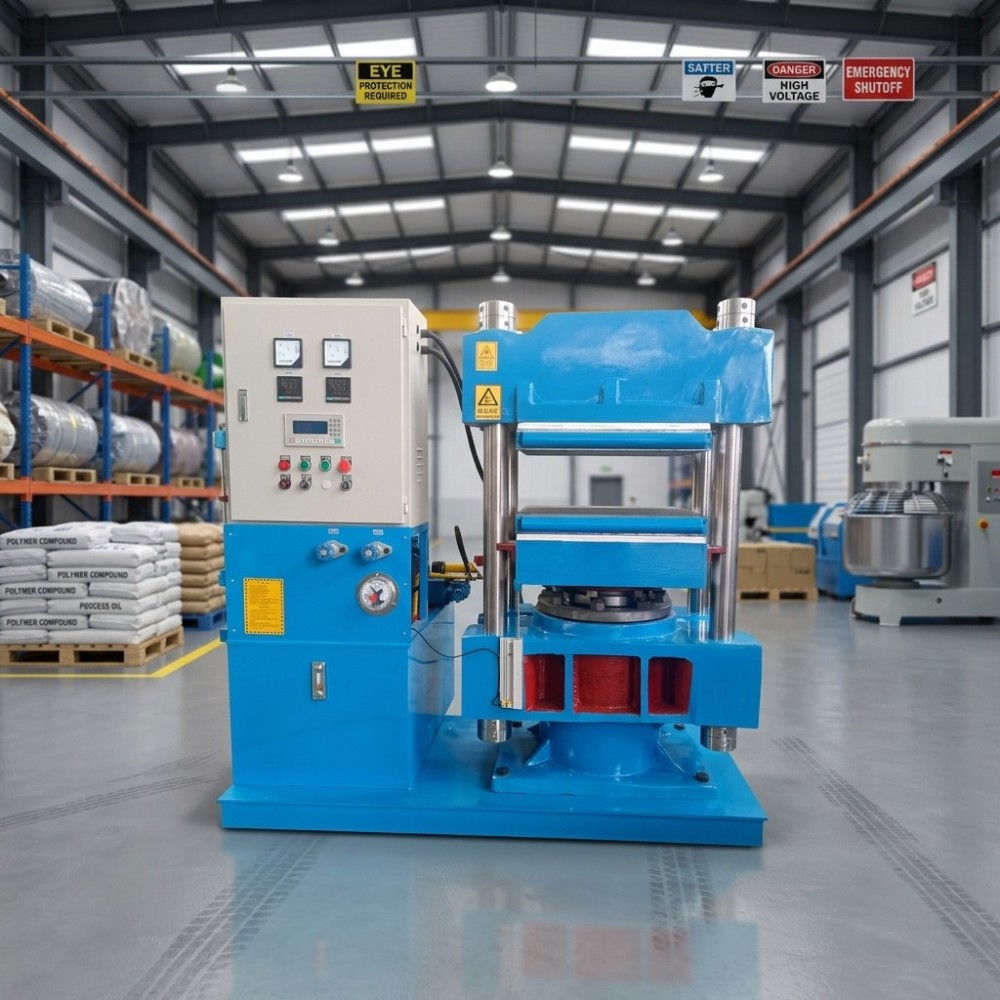
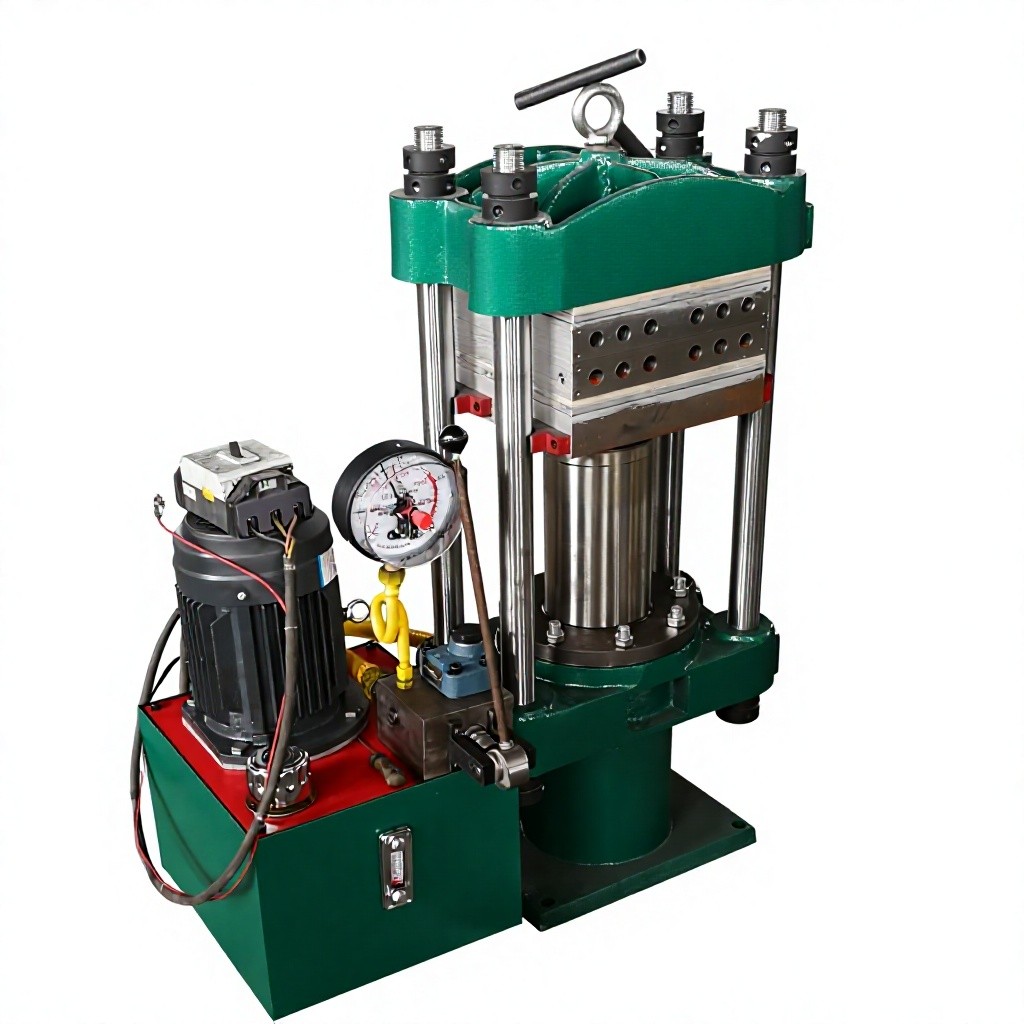
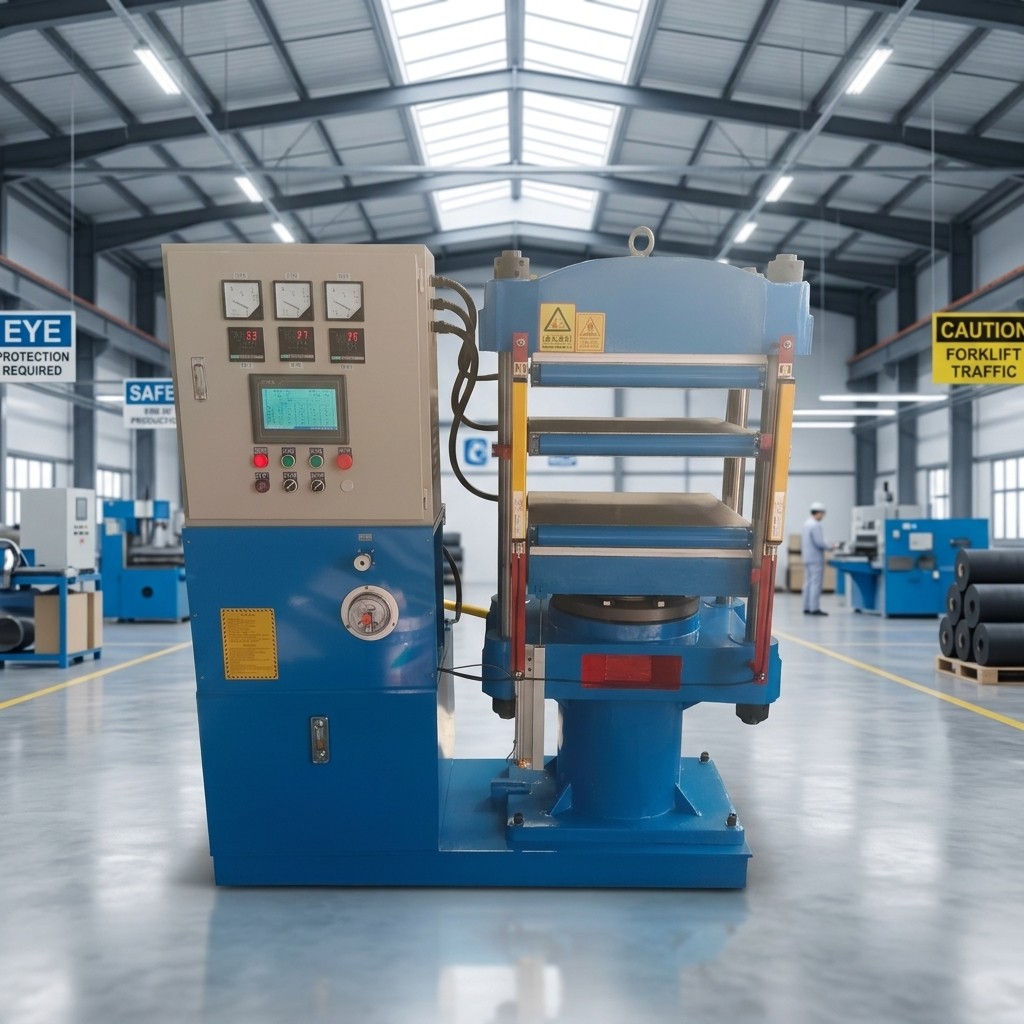
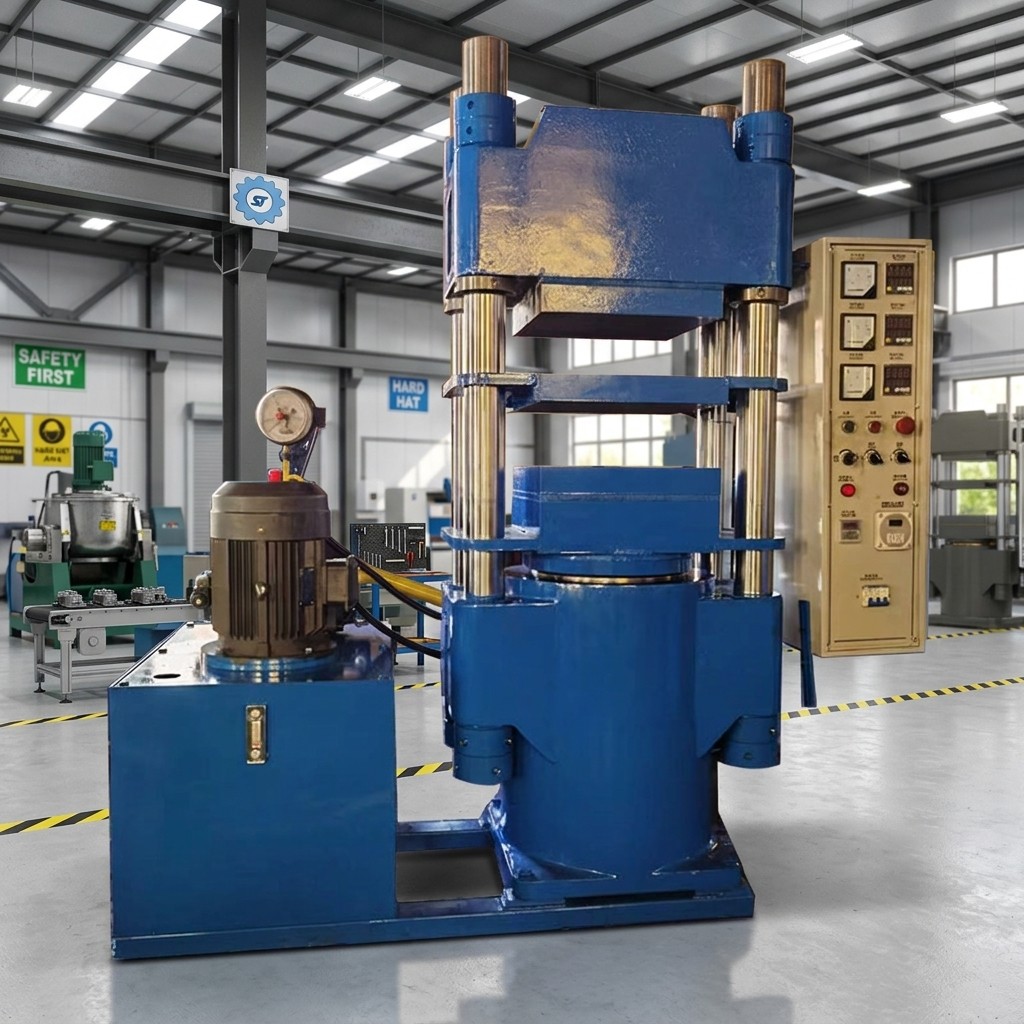
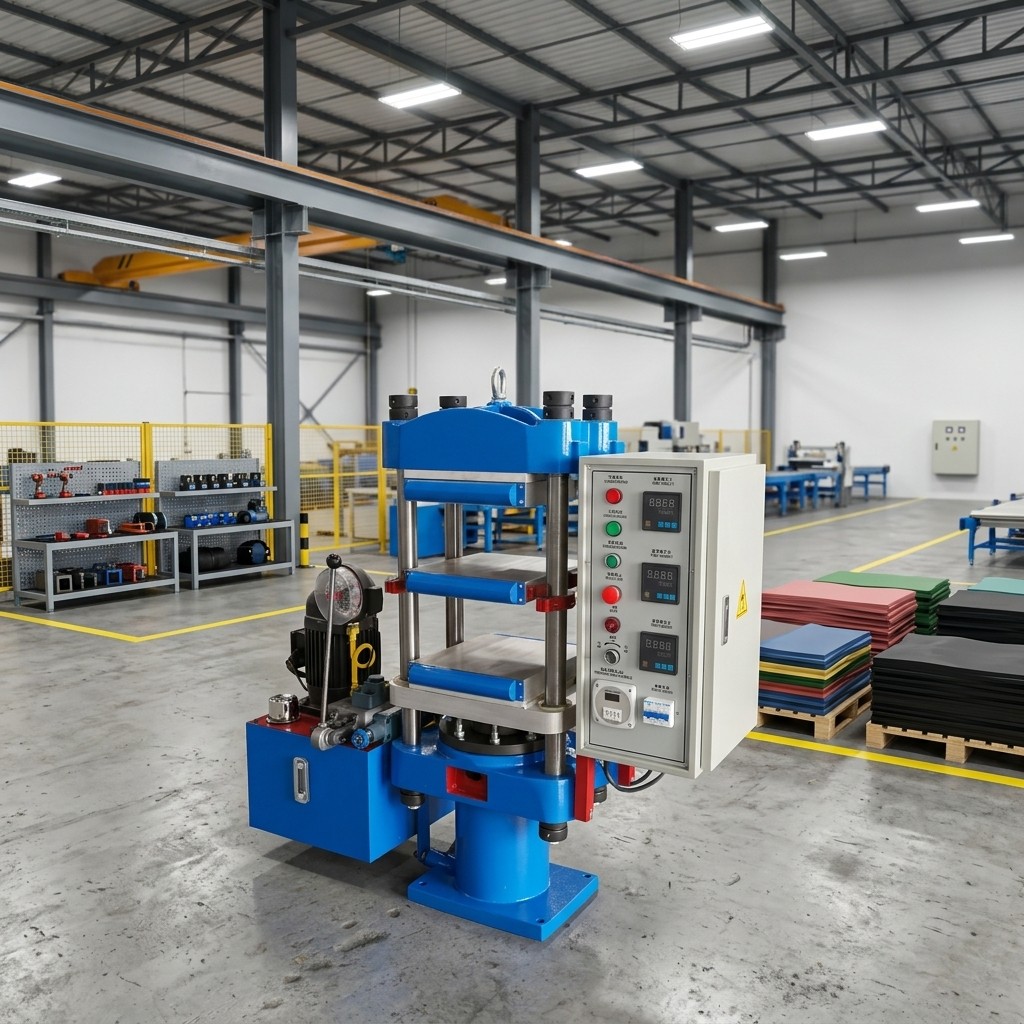
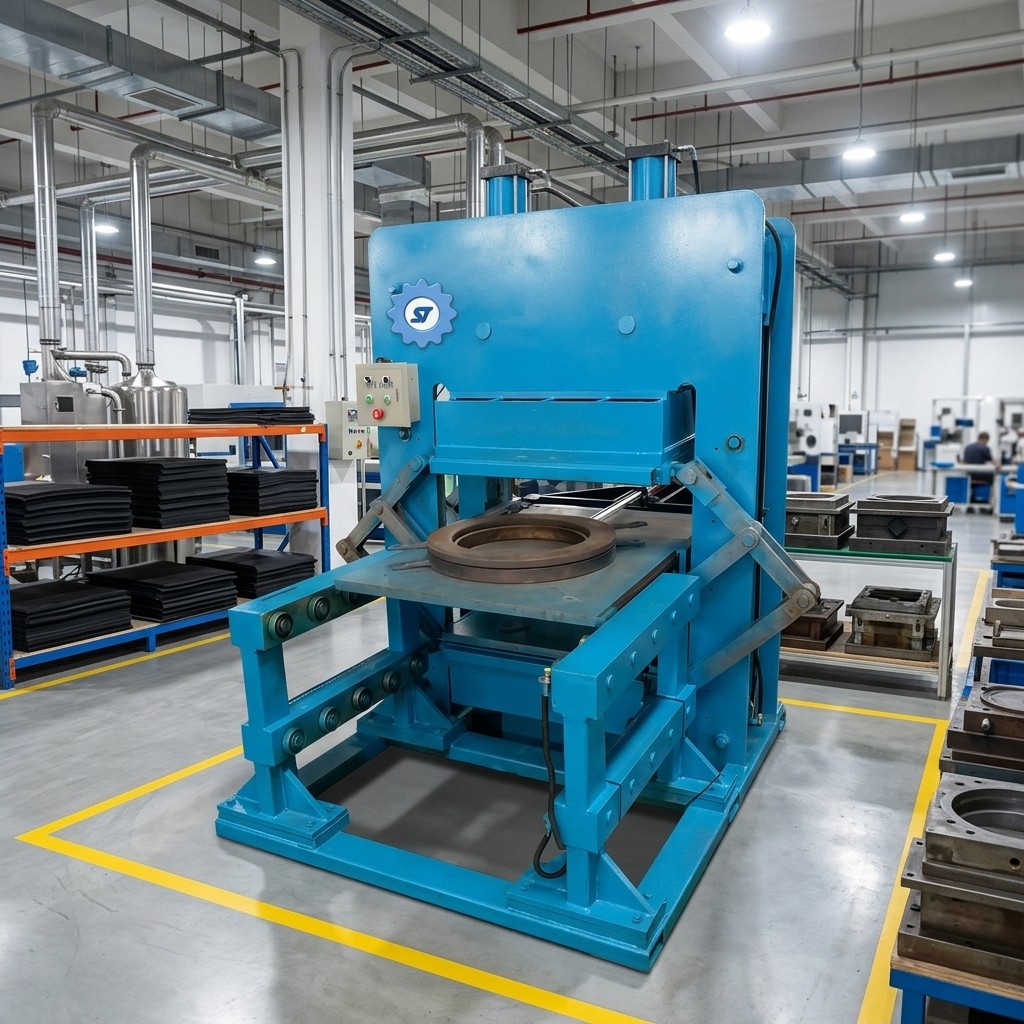
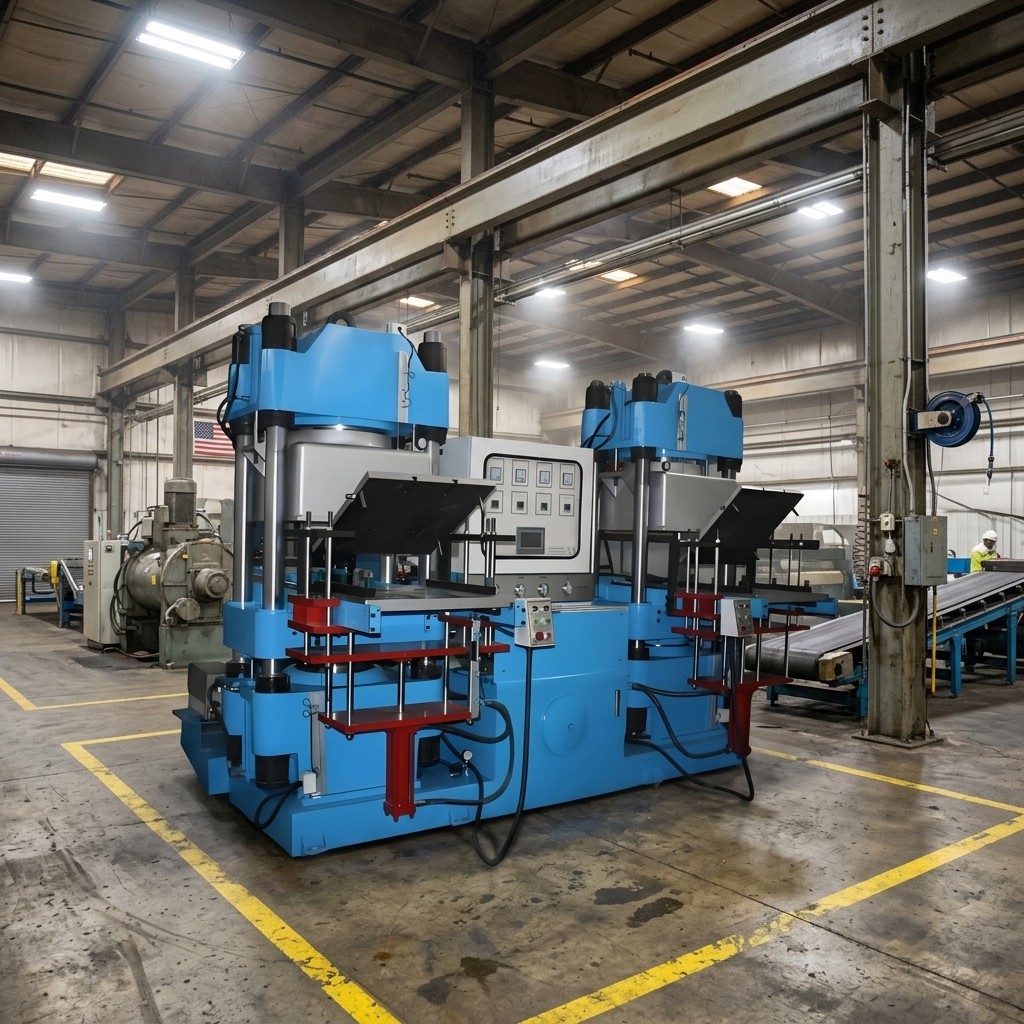
The hydraulic system is the heart of a high-quality rubber flat vulcanizing press. Compared with mechanical or manual pressing machines, a well-designed hydraulic vulcanizing press delivers a more stable clamping force, more even pressure distribution, and better control over the entire curing cycle, which directly improves the density, thickness tolerance and surface finish of the finished rubber parts.
Our hydraulic flat vulcanizing press is built around a reliable hydraulic power unit, high-precision cylinders and a controlled pressure circuit. During the closing stage, the system provides smooth and gradual force application
to avoid air traps and short shots. Once the mold is fully closed, the hydraulic unit keeps a constant holding pressure throughout the vulcanizing process, so the rubber material cures under steady pressure instead of fluctuating force.
Key advantages of the hydraulic system:
High and stable clamping force, suitable for large-area molds and multi-cavity tooling
Even pressure across the whole platen, reducing flash and thickness variation
Adjustable pressing speed and holding time for different rubber compounds
Energy-saving hydraulic circuit with low noise and lower oil temperature rise
Sealed cylinder and hose design for long service life and minimal maintenance
Safety protection against overload and unintended mold opening
The pressure, temperature and curing time can be set on the control panel and kept automatically during operation. This makes the machine suitable for rubber seals, gaskets, rubber sheets, O-rings, shock pads and other molded
rubber products that require consistent compression during vulcanizing.
We can configure the clamping force from 50 tons up to large tonnage models, and match the hydraulic unit, pump and valve components to customer requirements.
OEM configurations are available for different production capacities.
This machine mainly consists of a main frame, heating platens, hydraulic system, and electrical control system. During operation, rubber material or preformed blanks are placed into the mold, and the machine provides stable temperature and pressure to complete the vulcanizing process.
Key features:
Stable platen pressure for uniform product density
Even heating to help improve surface quality
PLC or electric control for easier operation
Suitable for natural rubber, synthetic rubber, silicone, and other rubber materials
Can be used with different molds according to customer products
The flat vulcanizing press can be applied in automotive parts, industrial rubber products, construction materials, daily rubber goods, and laboratory sample preparation.
We can provide different platen sizes, clamping forces, heating methods, and control options. OEM configurations are also available according to customer requirements.
Rubber Flat Plate Vulcanizing Press Machine Parts detail pictures as below:
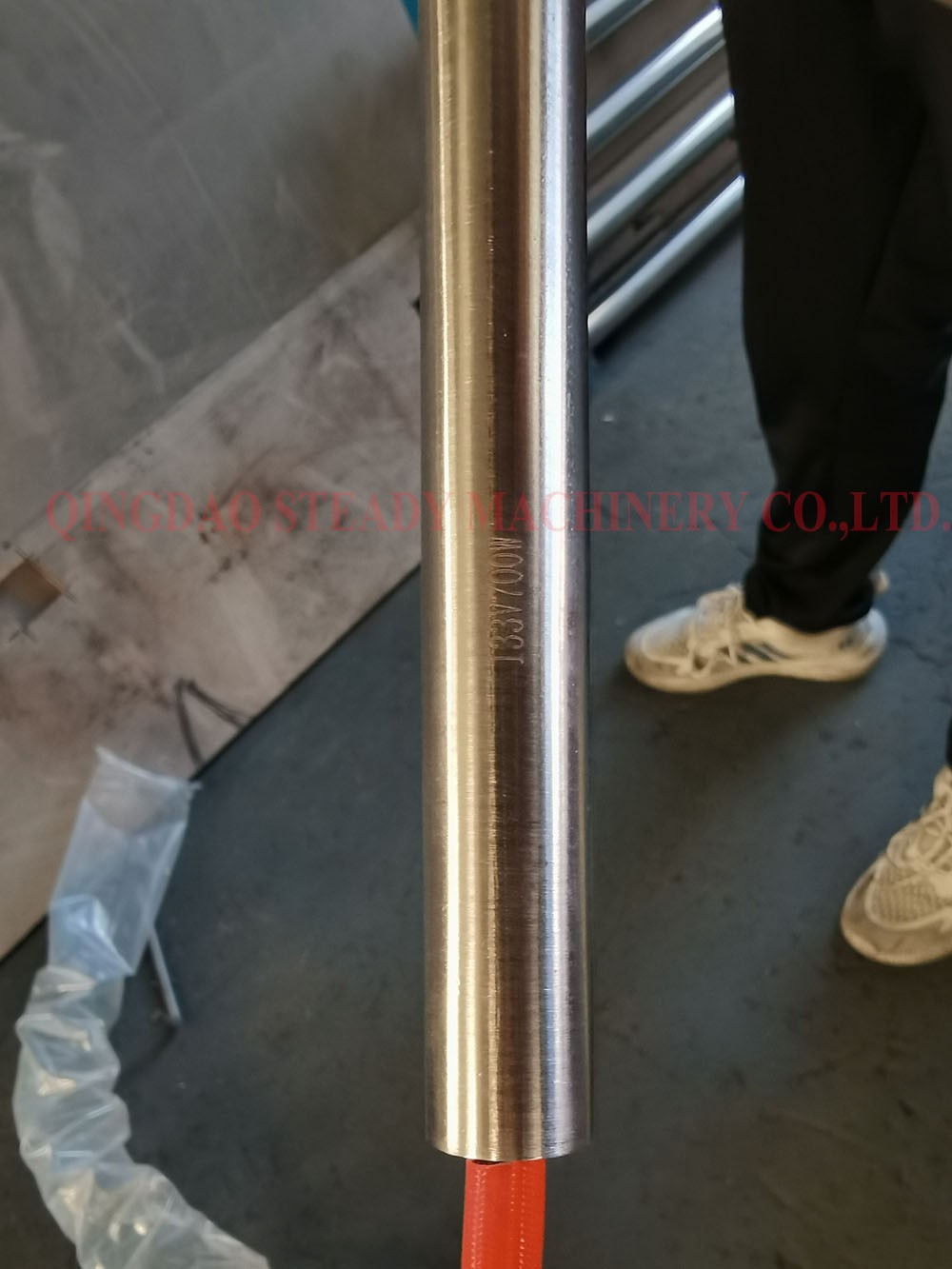
Stainless Steel Heating Tube, corrosion resistance, long service life, good heat transfer performance.
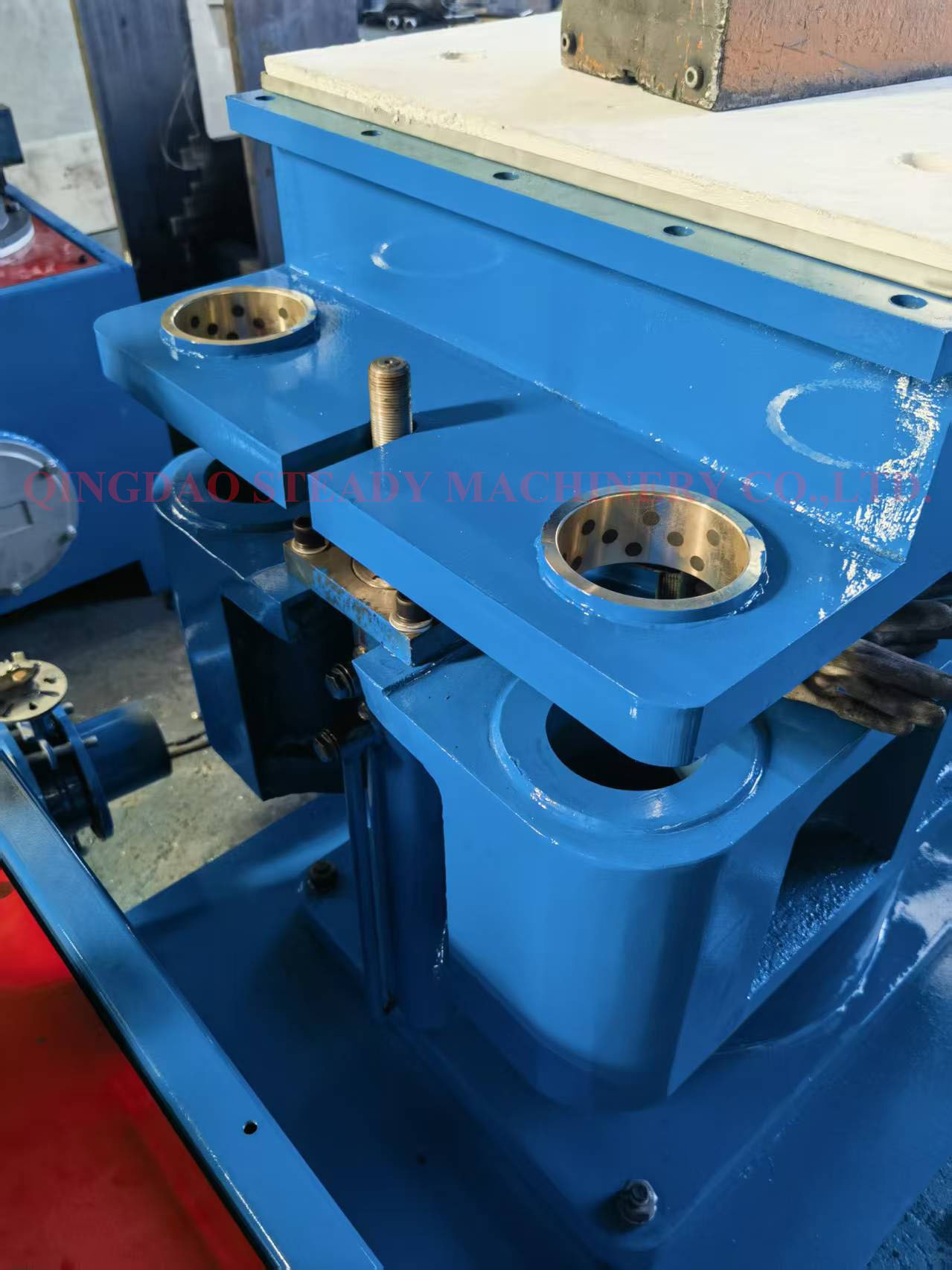
Copper Ring Pillar Guide
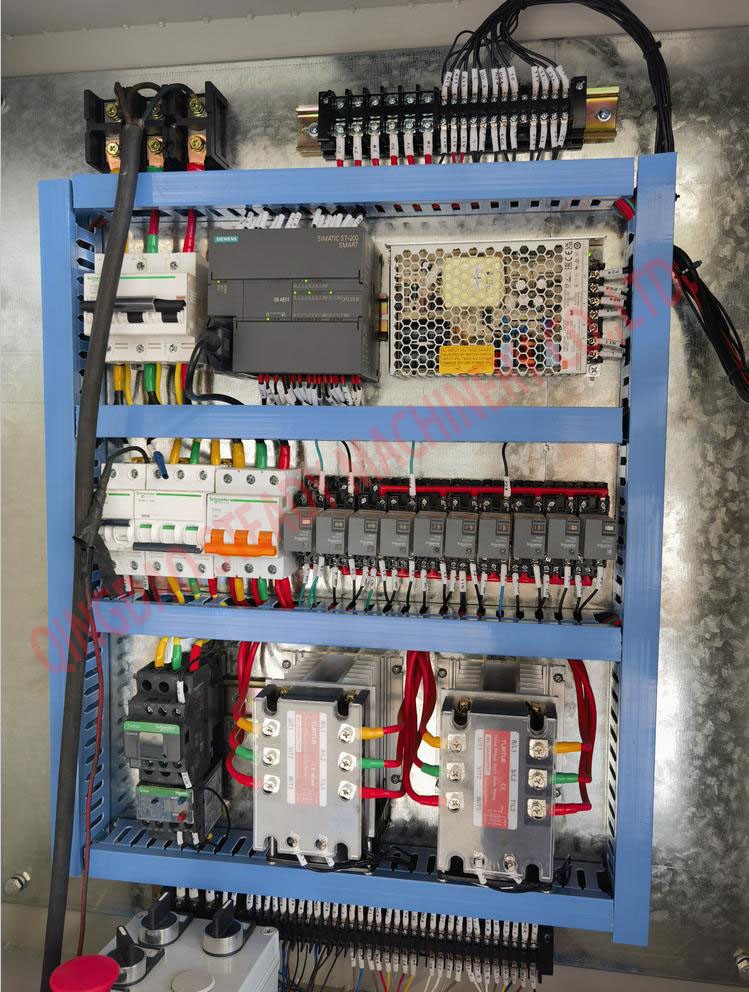
Siemens and Schneider Electronics, works accurate and stable, and long service life.
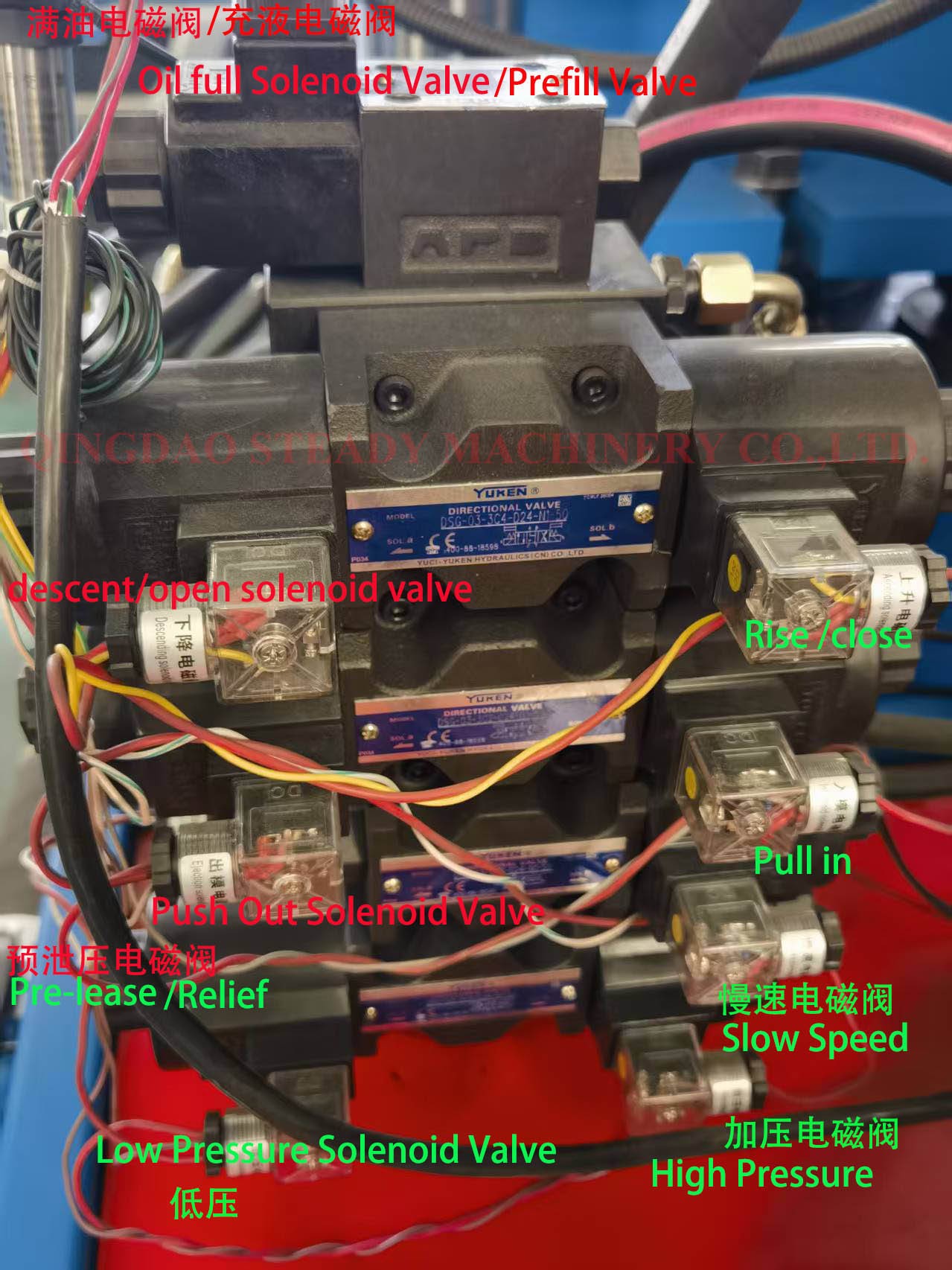
Famous hydraulic valves, Yuken Brand, high pressure stand and large flow capacity, low pressure loss, wet-type solenoid design.
Stable and reliable switching, shockless switching option, good sealing performance. Compact and easy to integrate.
Wide voltage and wiring otions.
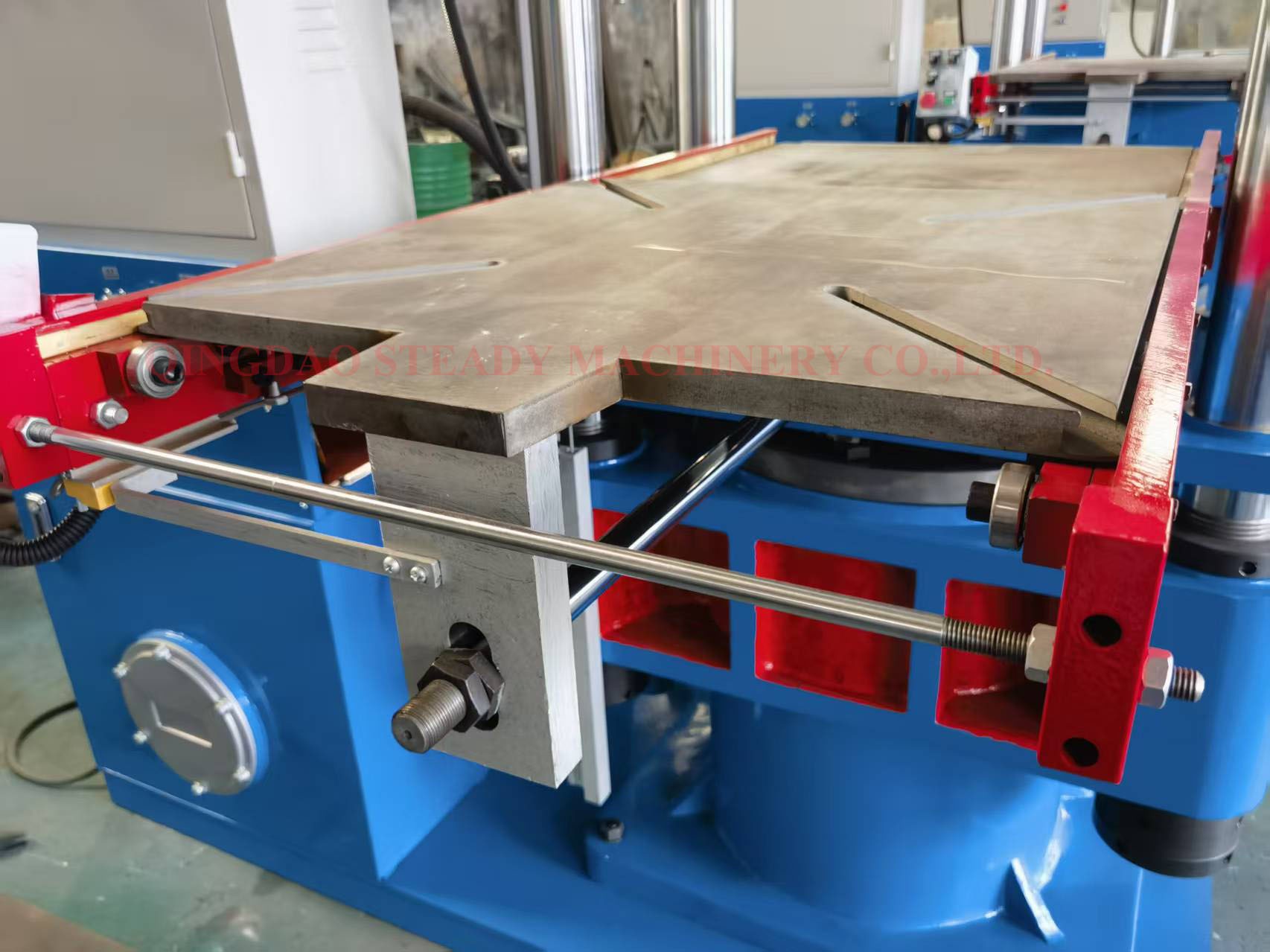
The sliding plate has been nitriding treatment, which is wear resisance and long service life.
It's high surface hardness, excellent wear and sliding resistance. Minimal distortion, good anti-seizure performance, improved fatigue strength, better corrosion resistance. 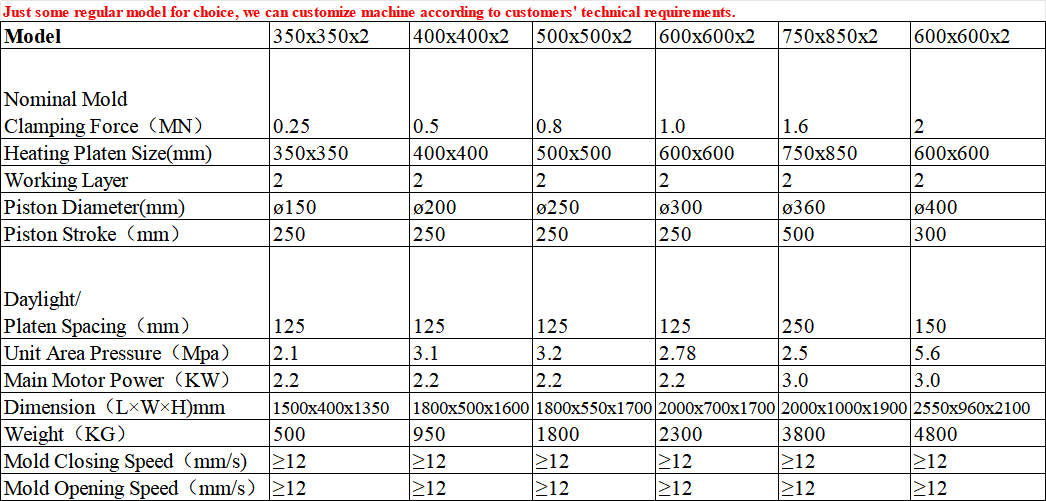
FAQS:
1. What platen sizes and clamping forces can you provide?
We offer a wide range of standard models, with platen sizes from 300x300mm to 2000x2000mm and clamping forces from 50 tons to 500 tons. If you have specific requirements for your molds or products, we can also customize the machine dimensions and pressure to fit your production needs.
2. Can you customize the machine according to our mold?
Yes, customization is one of our main strengths. We can adjust the daylight opening, platen thickness, heating zones, and control systems to match your specific molds. Please send us your mold drawings or photos, and our engineers will help you choose the best configuration.
3. What is the lead time and packaging method?
The standard lead time is usually 20 to 30 days after receiving the deposit, depending on the machine model and your customization requirements. For packaging, the machine is typically packed in a sturdy wooden case with plastic film inside to ensure it is moisture-proof and safe for ocean or air freight.
4. Do you provide installation guidance or operation manual?
Yes, every machine comes with a detailed English operation manual and electrical diagrams. We also provide remote video guidance to help you with installation and debugging. If necessary, we can also arrange for an engineer to visit your factory for on-site training.
5. Can you arrange shipment to our country?
We have extensive experience in exporting to global markets. We can quote you FOB, CIF, or DDP prices depending on your preference. Our team will handle the necessary export documentation and work with reliable forwarders to ensure the machine arrives at your port or factory safely and on time.
Comments: